MEGA PROJECT IN LANIADO HOSPITAL – CONSTRUCTION OF A HUGE, INNOVATIVE AND NEW SHELTERED EMERGENCY HOSPITAL AT A COST OF $77M
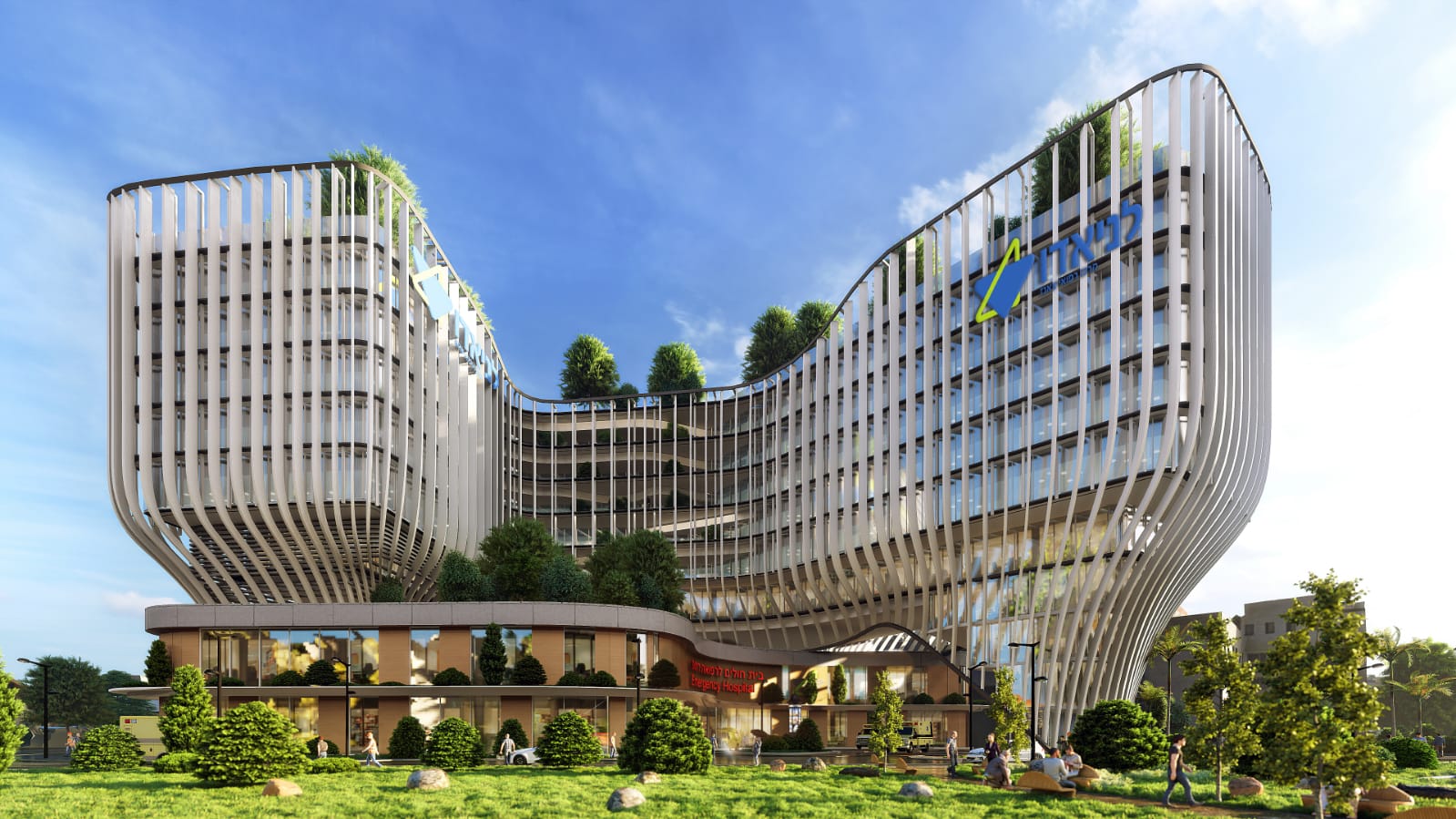
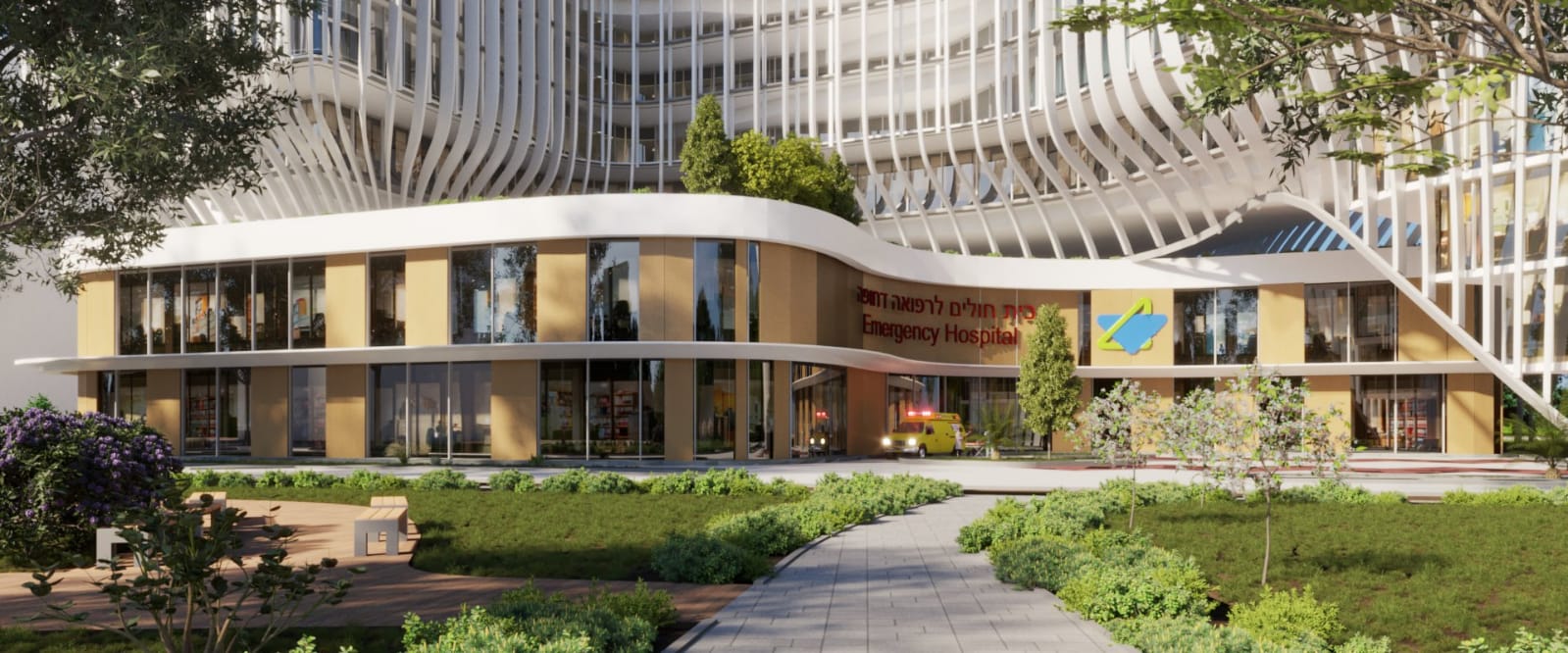
Laniado Hospital has officially unveiled its strategic five-year expansion plan, headlined by a groundbreaking flagship project: the construction of a 43,000-square-foot, fully fortified emergency hospital. Topped by a cutting-edge floor of fortified operating suites, the facility is slated for completion by the end of 2029. This landmark development marks Phase A of a comprehensive master plan that will ultimately culminate in a 310,000-square-foot inpatient tower.
An Urgent Need for Infrastructure Expansion
As Laniado launches its strategic roadmap for the coming years, upgrading its emergency care infrastructure remains the top priority. Currently, the hospital’s Emergency Department operates with just 20 beds in a facility completely lacking structural fortification—despite handling an overwhelming volume of approximately 100,000 patient visits in 2025.
Operating under such severely constrained spatial limitations has compelled Laniado’s Board of Directors and executive leadership to launch an intensive initiative to build a modern, secure emergency hospital. This fortified facility will guarantee uninterrupted functional continuity during geopolitical emergencies, specifically mitigating rocket and missile threats from the northern and Samaria regions. Extensive resources have been poured into the architectural and clinical design to deliver top-tier medical care to the 500,000+ residents of Netanya and the Sharon area, while accounting for the region’s rapid demographic growth.
Advanced Medical Design and Strategic National Importance
Led by the prominent firm Dagan-Mochly Architects alongside Kidan Management & Supervision, the planning team integrated advanced medical innovation, functional continuity, spacious civilian waiting areas, infection control, and the highest military fortification standards.
The result is a monumental project spanning 43,000 square feet per floor, engineered to withstand any security scenario. The facility features dedicated zones for bedridden patients (50 inpatient beds plus 20 ambulatory beds for short-term care), ambulatory walk-ins, orthopedic and surgical triage, a premier trauma center, and advanced diagnostic imaging suites (including X-ray, Ultrasound, and CT). In total, the fortified emergency hospital will accommodate 70 beds, 4 trauma bays, and expansive, comfortable waiting lounges designed to ease the anxiety of accompanying family members.
Constructed directly above the emergency complex will be a state-of-the-art surgical floor. This level will house 10 world-class operating theaters, including two highly advanced hybrid suites, alongside dedicated preoperative, surgical, and recovery zones—all fully fortified to ensure complete safety and operational resilience against missile and rocket threats.
The construction of this facility carries immense strategic value for the State of Israel. Both the Ministry of Finance and the Ministry of Health are deeply involved in the project, ensuring adherence to the most stringent construction standards while providing partial funding. Furthermore, a massive three-level underground parking structure will be constructed beneath the fortified emergency facility. In times of crisis, this underground complex will seamlessly convert into an emergency hospital to accommodate additional inpatient wards, ensuring that Laniado Hospital remains fully operational under any circumstances.
Designed with a forward-looking vision, the project accounts for the region’s massive demographic growth projected through 2048. Accordingly, the Ministry of Health has mandated the acquisition of the most advanced, cutting-edge medical equipment currently available on the market.
A Vision for National Resilience and Patient-Centric Care
During the final project planning session—attended by representatives of the Board of Directors, executive management, and the architectural and project management teams—Mr. Nadav Chen, CEO of Laniado Hospital, stated:
“This is our flagship initiative for the coming years. I confidently assert that this project is of paramount national importance. It is simply unacceptable that over half a million Israeli citizens should be denied emergency medical care in a fully secure, fortified environment. The security scenarios regarding a potential conflict in the north, and heaven forbid beyond, have compelled us to accelerate execution—solely for the health and well-being of the residents of Netanya and the Sharon region. I commend Dagan-Mochly Architects and Kidan Management & Supervision for delivering an exceptional blueprint.”
Mr. Chen added: “We must remember that the fortified emergency hospital is merely the first phase in the construction of a monumental inpatient tower. This landmark structure will span eight stories, in addition to three underground levels and a fortified ground floor. The tower is an architectural masterpiece, thoughtfully harmonizing with the Mediterranean landscape while prioritizing the optimal environment for both patients and caregivers. It is designed to allow patients, staff, and accompanying families to focus on one simple mission: saving lives and improving the quality of life.
We will spare no effort to complete Phase A—the fortified emergency hospital and the multi-level underground emergency facility—by the end of 2029, with G-d’s help. This is an incredibly ambitious and vital project, and we all pray that we will never actually need to rely on its fortifications.”
Laniado Hospital
laniadofund.org
18/02/2022
אנו מאמינים שהאינטרנט צריך להיות זמין ונגיש לכל אחד, ולספק אתר אינטרנט נגיש לקהל הרחב ביותר האפשרי, ללא קשר לנסיבות וליכולת.
כדי למלא זאת, אנו שואפים לדבוק בקפדנות ככל האפשר להנחיות נגישות תוכן האינטרנט של World Wide Web Consortium (W3C) 2.1 (WCAG 2.1) ברמת AA. הנחיות אלו מסבירות כיצד להנגיש תוכן אינטרנט לאנשים עם מגוון רחב של מוגבלויות. עמידה בהנחיות אלו עוזרת לנו להבטיח שהאתר יהיה נגיש לכל האנשים: עיוורים, אנשים עם לקות מוטורית, לקות ראייה, לקויות קוגניטיביות ועוד.
אתר זה משתמש בטכנולוגיות שונות שנועדו להפוך אותו לנגיש ככל האפשר בכל עת. אנו משתמשים בממשק נגישות המאפשר לאנשים עם מוגבלויות ספציפיות להתאים את ממשק המשתמש של האתר ולעצב אותו לצרכיהם האישיים.
בנוסף, האתר משתמש באפליקציה מבוססת בינה מלאכותית שפועלת ברקע ומייעל את רמת הנגישות שלו ללא הרף. יישום זה מתקן את ה-HTML של האתר, מתאים את הפונקציונליות וההתנהגות שלו לקוראי מסך המשמשים את המשתמשים העיוורים, ולפונקציות המקלדת המשמשות אנשים עם ליקויים מוטוריים.
אם מצאתם תקלה או יש לכם רעיונות לשיפור, נשמח לשמוע מכם. תוכל ליצור קשר עם מפעילי האתר באמצעות המייל הבא
האתר שלנו מיישם את טכניקת ARIA attributes (Accessible Rich Internet Applications), לצד שינויים התנהגותיים שונים, כדי להבטיח שמשתמשים עיוורים המבקרים עם קוראי מסך יוכלו לקרוא, להבין וליהנות מהפונקציות של האתר. ברגע שמשתמש עם קורא מסך נכנס לאתר, הוא מקבל מיד הנחיה להיכנס לפרופיל קורא המסך כדי שיוכל לגלוש ולתפעל את האתר ביעילות. כך האתר שלנו מכסה כמה מהדרישות החשובות ביותר לקורא מסך, לצד צילומי מסך של קונסולה של דוגמאות קוד:
אופטימיזציה של קוראי מסך: אנו מפעילים תהליך רקע שלומד את מרכיבי האתר מלמעלה למטה, כדי להבטיח תאימות מתמשכת גם בעת עדכון האתר. בתהליך זה, אנו מספקים לקוראי מסך נתונים משמעותיים באמצעות ערכת התכונות של ARIA. לדוגמה, אנו מספקים תוויות טפסים מדויקות; תיאורים של אייקונים מניעים לפעולה (סמלים של מדיה חברתית, סמלי חיפוש, סמלי עגלה וכו'); הנחיות אימות עבור קלט טפסים; תפקידי אלמנטים כגון לחצנים, תפריטים, דיאלוגים מודאליים (חלונות קופצים) ואחרים. בנוסף, תהליך הרקע סורק את כל תמונות האתר ומספק תיאור מדויק ומשמעותי המבוסס על זיהוי תמונה-אובייקט כתגית ALT (טקסט חלופי) לתמונות שאינן מתוארות. זה גם יחלץ טקסטים המוטמעים בתוך התמונה, באמצעות טכנולוגיית OCR (זיהוי תווים אופטי). כדי להפעיל התאמות של קורא מסך בכל עת, המשתמשים צריכים רק ללחוץ על שילוב המקלדת Alt+1. משתמשי קורא מסך מקבלים גם הודעות אוטומטיות להפעיל את מצב קורא מסך ברגע שהם נכנסים לאתר.
התאמות אלו תואמות לכל קוראי המסך הפופולריים, כולל JAWS ו-NVDA.
אופטימיזציה של ניווט מקלדת: תהליך הרקע גם מתאים את ה-HTML של האתר, ומוסיף התנהגויות שונות באמצעות קוד JavaScript כדי להפוך את האתר להפעלה באמצעות המקלדת. זה כולל את היכולת לנווט באתר באמצעות מקשי Tab ו-Shift+Tab, להפעיל תפריטים נפתחים עם מקשי החצים, לסגור אותם עם Esc, לחצני הפעלה וקישורים באמצעות מקש Enter, לנווט בין רכיבי רדיו ותיבת סימון באמצעות מקשי החצים, וכן מלא אותם עם מקש הרווח או Enter. בנוסף, משתמשי המקלדת ימצאו תפריטי ניווט מהיר ודילוג על תוכן, הזמינים בכל עת על ידי לחיצה על Alt+1, או כרכיבים הראשונים של האתר בזמן ניווט עם המקלדת. תהליך הרקע מטפל גם בחלונות קופצים שהופעלו על ידי הזזת הפוקוס של המקלדת לעברם ברגע שהם מופיעים, ולא מאפשר להיסחף הפוקוס מחוצה לו.
משתמשים יכולים גם להשתמש בקיצורי דרך כגון "M" (תפריטים), "H" (כותרות), "F" (טפסים), "B" (לחצנים) ו-"G" (גרפיקה) כדי לקפוץ לאלמנטים ספציפיים.
מצב בטוח לאפילפסיה: פרופיל זה מאפשר לאנשים עם אפילפסיה להשתמש באתר בבטחה על ידי ביטול הסיכון להתקפים הנובעים מהנפשות מהבהבות או מהבהבות ושילובי צבעים מסוכנים.
מצב לקוי ראייה: מצב זה מתאים את האתר לנוחיותם של משתמשים עם ליקויי ראייה כגון ראייה משפילה, ראיית מנהרה, קטרקט, גלאוקומה ועוד.
מצב מוגבלות קוגניטיבית: מצב זה מספק אפשרויות מסייעות שונות כדי לעזור למשתמשים עם ליקויים קוגניטיביים כגון דיסלקציה, אוטיזם, CVA ואחרים, להתמקד במרכיבים החיוניים של האתר ביתר קלות.
מצב ידידותי ל-ADHD: מצב זה עוזר למשתמשים עם הפרעות קשב וריכוז והפרעות נוירו-התפתחותיות לקרוא, לגלוש ולהתמקד במרכיבי האתר הראשיים ביתר קלות תוך הפחתת הסחות דעת באופן משמעותי.
מצב עיוורון: מצב זה מגדיר את האתר כך שיהיה תואם לקוראי מסך כגון JAWS, NVDA, VoiceOver ו-TalkBack. קורא מסך הוא תוכנה למשתמשים עיוורים המותקנת במחשב ובסמארטפון, ואתרי אינטרנט חייבים להיות תואמים לה.
פרופיל ניווט במקלדת (לקויי מוטורי): פרופיל זה מאפשר לאנשים בעלי מוגבלויות מוטוריות להפעיל את האתר באמצעות Tab, Shift+Tab ומקשי Enter. משתמשים יכולים גם להשתמש בקיצורי דרך כגון "M" (תפריטים), "H" (כותרות), "F" (טפסים), "B" (לחצנים) ו-"G" (גרפיקה) כדי לקפוץ לאלמנטים ספציפיים.
התאמות גופנים - משתמשים יכולים להגדיל ולהקטין את גודלו, לשנות את משפחתו (סוגו), להתאים את המרווחים, היישור, גובה הקו ועוד.
התאמות צבע - המשתמשים יכולים לבחור פרופילי ניגודיות צבע שונים כגון בהיר, כהה, הפוך ומונוכרום. בנוסף, משתמשים יכולים להחליף ערכות צבעים של כותרות, טקסטים ורקעים, עם למעלה מ-7 אפשרויות צביעה שונות.
אנימציות - משתמשים אפילפטיים יכולים להפסיק את כל האנימציות הפועלות בלחיצת כפתור. אנימציות הנשלטות על ידי הממשק כוללות סרטונים, קובצי GIF ומעברי CSS מהבהבים.
הדגשת תוכן - משתמשים יכולים לבחור להדגיש אלמנטים חשובים כמו קישורים וכותרות. הם יכולים גם לבחור להדגיש רק אלמנטים ממוקדים או מרחפים.
השתקת אודיו - משתמשים עם מכשירי שמיעה עשויים לחוות כאבי ראש או בעיות אחרות עקב השמעת אודיו אוטומטית. אפשרות זו מאפשרת למשתמשים להשתיק את כל האתר באופן מיידי.
הפרעות קוגניטיביות - אנו משתמשים במנוע חיפוש המקושר לוויקיפדיה ולוויקימילון, המאפשר לאנשים עם הפרעות קוגניטיביות לפענח משמעויות של ביטויים, ראשי תיבות, סלנג ואחרים.
פונקציות נוספות - אנו מספקים למשתמשים את האפשרות לשנות את צבע וגודל הסמן, להשתמש במצב הדפסה, להפעיל מקלדת וירטואלית ופונקציות רבות אחרות.
אנו שואפים לתמוך במגוון הרחב ביותר של דפדפנים וטכנולוגיות מסייעות ככל האפשר, כך שהמשתמשים שלנו יוכלו לבחור את הכלים המתאימים ביותר עבורם, עם כמה שפחות הגבלות. לכן, עבדנו קשה מאוד כדי להיות מסוגלים לתמוך בכל המערכות העיקריות המהוות למעלה מ-95% מנתח השוק של המשתמשים כולל Google Chrome, Mozilla Firefox, Apple Safari, Opera ו-Microsoft Edge, JAWS ו-NVDA (קוראי מסך), שניהם עבור Windows ועבור משתמשי MAC.
למרות מאמצינו הטובים ביותר לאפשר לכל אחד להתאים את האתר לצרכיו, עדיין עשויים להיות דפים או חלקים שאינם נגישים במלואם, נמצאים בתהליך של נגישות, או שחסר להם פתרון טכנולוגי הולם כדי להנגיש אותם. ובכל זאת, אנו משפרים ללא הרף את הנגישות שלנו, מוסיפים, מעדכנים ומשפרים את האפשרויות והתכונות שלה, ומפתחים ומאמצים טכנולוגיות חדשות. כל זה נועד להגיע לרמת הנגישות האופטימלית, בעקבות ההתקדמות הטכנולוגית. לכל עזרה, אנא פנה אלינו
We firmly believe that the internet should be available and accessible to anyone, and are committed to providing a website that is accessible to the widest possible audience, regardless of circumstance and ability.
To fulfill this, we aim to adhere as strictly as possible to the World Wide Web Consortium’s (W3C) Web Content Accessibility Guidelines 2.1 (WCAG 2.1) at the AA level. These guidelines explain how to make web content accessible to people with a wide array of disabilities. Complying with those guidelines helps us ensure that the website is accessible to all people: blind people, people with motor impairments, visual impairment, cognitive disabilities, and more.
This website utilizes various technologies that are meant to make it as accessible as possible at all times. We utilize an accessibility interface that allows persons with specific disabilities to adjust the website’s UI (user interface) and design it to their personal needs.
Additionally, the website utilizes an AI-based application that runs in the background and optimizes its accessibility level constantly. This application remediates the website’s HTML, adapts Its functionality and behavior for screen-readers used by the blind users, and for keyboard functions used by individuals with motor impairments.
If you’ve found a malfunction or have ideas for improvement, we’ll be happy to hear from you. You can reach out to the website’s operators by using the following email
Our website implements the ARIA attributes (Accessible Rich Internet Applications) technique, alongside various different behavioral changes, to ensure blind users visiting with screen-readers are able to read, comprehend, and enjoy the website’s functions. As soon as a user with a screen-reader enters your site, they immediately receive a prompt to enter the Screen-Reader Profile so they can browse and operate your site effectively. Here’s how our website covers some of the most important screen-reader requirements, alongside console screenshots of code examples:
Screen-reader optimization: we run a background process that learns the website’s components from top to bottom, to ensure ongoing compliance even when updating the website. In this process, we provide screen-readers with meaningful data using the ARIA set of attributes. For example, we provide accurate form labels; descriptions for actionable icons (social media icons, search icons, cart icons, etc.); validation guidance for form inputs; element roles such as buttons, menus, modal dialogues (popups), and others. Additionally, the background process scans all of the website’s images and provides an accurate and meaningful image-object-recognition-based description as an ALT (alternate text) tag for images that are not described. It will also extract texts that are embedded within the image, using an OCR (optical character recognition) technology. To turn on screen-reader adjustments at any time, users need only to press the Alt+1 keyboard combination. Screen-reader users also get automatic announcements to turn the Screen-reader mode on as soon as they enter the website.
These adjustments are compatible with all popular screen readers, including JAWS and NVDA.
Keyboard navigation optimization: The background process also adjusts the website’s HTML, and adds various behaviors using JavaScript code to make the website operable by the keyboard. This includes the ability to navigate the website using the Tab and Shift+Tab keys, operate dropdowns with the arrow keys, close them with Esc, trigger buttons and links using the Enter key, navigate between radio and checkbox elements using the arrow keys, and fill them in with the Spacebar or Enter key.Additionally, keyboard users will find quick-navigation and content-skip menus, available at any time by clicking Alt+1, or as the first elements of the site while navigating with the keyboard. The background process also handles triggered popups by moving the keyboard focus towards them as soon as they appear, and not allow the focus drift outside of it.
Users can also use shortcuts such as “M” (menus), “H” (headings), “F” (forms), “B” (buttons), and “G” (graphics) to jump to specific elements.
We aim to support the widest array of browsers and assistive technologies as possible, so our users can choose the best fitting tools for them, with as few limitations as possible. Therefore, we have worked very hard to be able to support all major systems that comprise over 95% of the user market share including Google Chrome, Mozilla Firefox, Apple Safari, Opera and Microsoft Edge, JAWS and NVDA (screen readers), both for Windows and for MAC users.
Despite our very best efforts to allow anybody to adjust the website to their needs, there may still be pages or sections that are not fully accessible, are in the process of becoming accessible, or are lacking an adequate technological solution to make them accessible. Still, we are continually improving our accessibility, adding, updating and improving its options and features, and developing and adopting new technologies. All this is meant to reach the optimal level of accessibility, following technological advancements. For any assistance, please reach out to