SNOEZELEN ROOM OPENING: SPECIAL NEEDS
First in Israel: Laniado Hospital and ALUT Launch Autism-Adapted and Trauma-Informed Pediatric Emergency Department
The initiative includes in-depth staff training, a sensory-adapted treatment room, a dedicated family guidance app, and a joint study by Laniado, ALUT, and Tel Aviv University.
Laniado Hospital and ALUT (The Israeli Society for Children and Adults with Autism) are launching a joint initiative, making Laniado’s Pediatric Emergency Department the first medical center in Israel to be fully autism-accessible and trauma-informed.
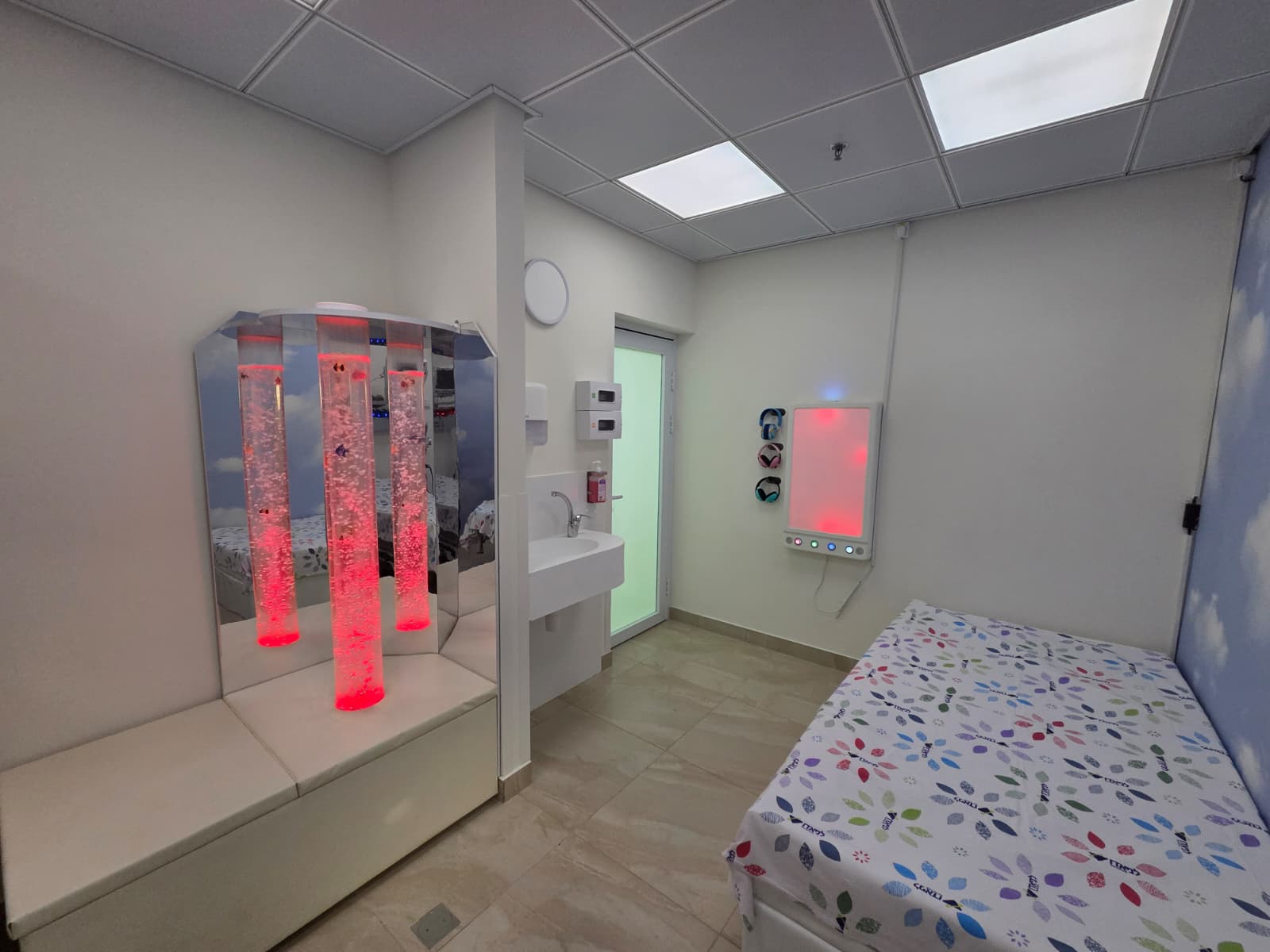
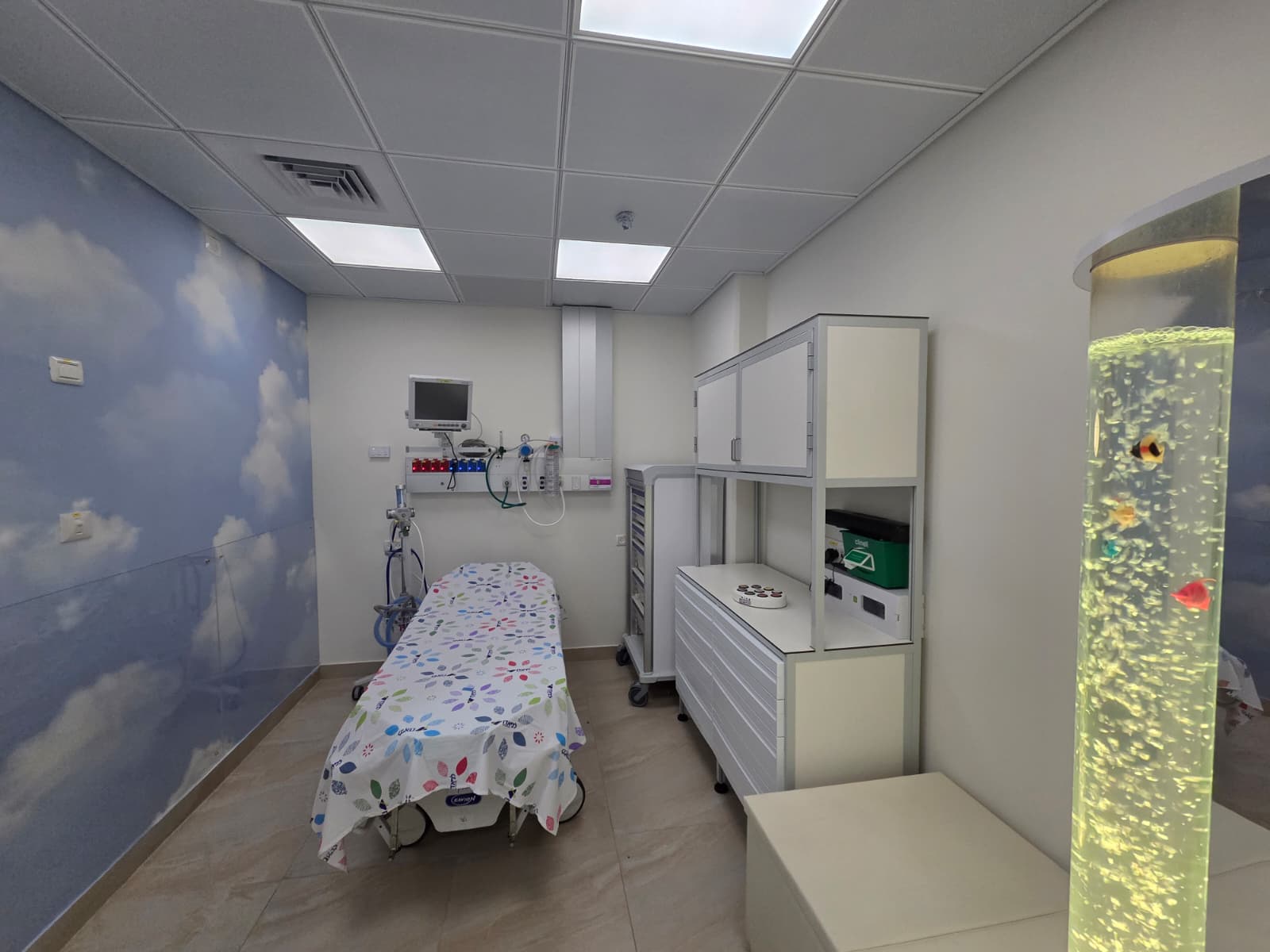
This comprehensive move encompasses deep staff training alongside sensory tools and clinical adaptations. These include an isolated, sensory-regulated "Snoezelen" treatment room equipped with dimmable lighting, noise-canceling headphones, and a heated waterbed. Future phases will introduce an online knowledge protocol, a dedicated pain questionnaire, and a training module for onboarding new employees. Teva Pharmaceutical Industries is a key partner in this initiative, funding a portion of the development costs for the training module, the online protocol, and the accompanying research.
Children with autism and other special needs visit emergency rooms at a significantly higher rate than the general population. This high frequency often stems from the difficulty community medical teams face in handling the complex nature of treating these children, due to communication barriers and past medical traumas. However, a standard Emergency Department environment poses severe sensory, cognitive, emotional, and communication challenges. It is an unpredictable, fast-paced environment filled with sensory triggers: loud noises, bright lights, long wait times, physical contact, unfamiliar procedures, multiple caregivers, and high uncertainty. Emergency Department teams do not always possess sufficient knowledge about autism, and the physical layout is rarely adapted. This reality complicates case management and distresses the child, the parents, and the medical staff, often leading to a traumatic experience.
As part of this initiative, the Emergency Department staff underwent extensive training by ALUT. The curriculum covered autism, trauma, pain management, identifying distress signals, debriefing clinical events, de-escalation techniques, personalized accommodation cards, integrative teamwork, and tailored communication with families. Additionally, ALUT and Laniado, in collaboration with the company "Ma Shlomi?", are currently developing "The Family's Journey in the Emergency Department"—an app designed to provide parents with explanations, preparation, and practical tools to navigate the medical visit.
An ongoing study by Laniado, ALUT, and Tel Aviv University accompanies the project, aiming to evaluate not only the patient and parent experience but also the implementation of the new model, staff feedback, and clinical management metrics.
The highlight of the project is the newly constructed "Snoezelen" room, custom-built for children with autism and special needs. The room features maximum acoustic isolation from external noise and dimmable lighting to minimize sensory overload. Calming elements, such as a bubble column and custom wallpaper, have been installed, and noise-canceling headphones are readily available. The room features two treatment stations: a conventional medical bed and a heated waterbed, reducing stimuli and giving patients a choice of where to receive care. A sensory wall toy provides distraction while allowing children to select the color and shape themes of the room. Procedures in the room will utilize distraction tools, such as Virtual Reality (VR) headsets, alongside local anesthesia or mild sedation prior to painful or anxiety-inducing interventions
Dedi Attas, CEO of ALUT, stated: "The Emergency Department is one of the most challenging environments for a child with autism and their parents. Parents possess irreplaceable knowledge. They know how their child communicates, what soothes them, how they express pain, and what triggers an overload. Listening to them is not a courtesy; it is essential to delivering proper care. The Laniado project was born from the understanding that an autism-adapted and trauma-informed response must address staff training, environmental design, family communication, and long-term knowledge retention. We thank the Laniado team for this partnership and hope this model will be adopted by other emergency departments across the country."
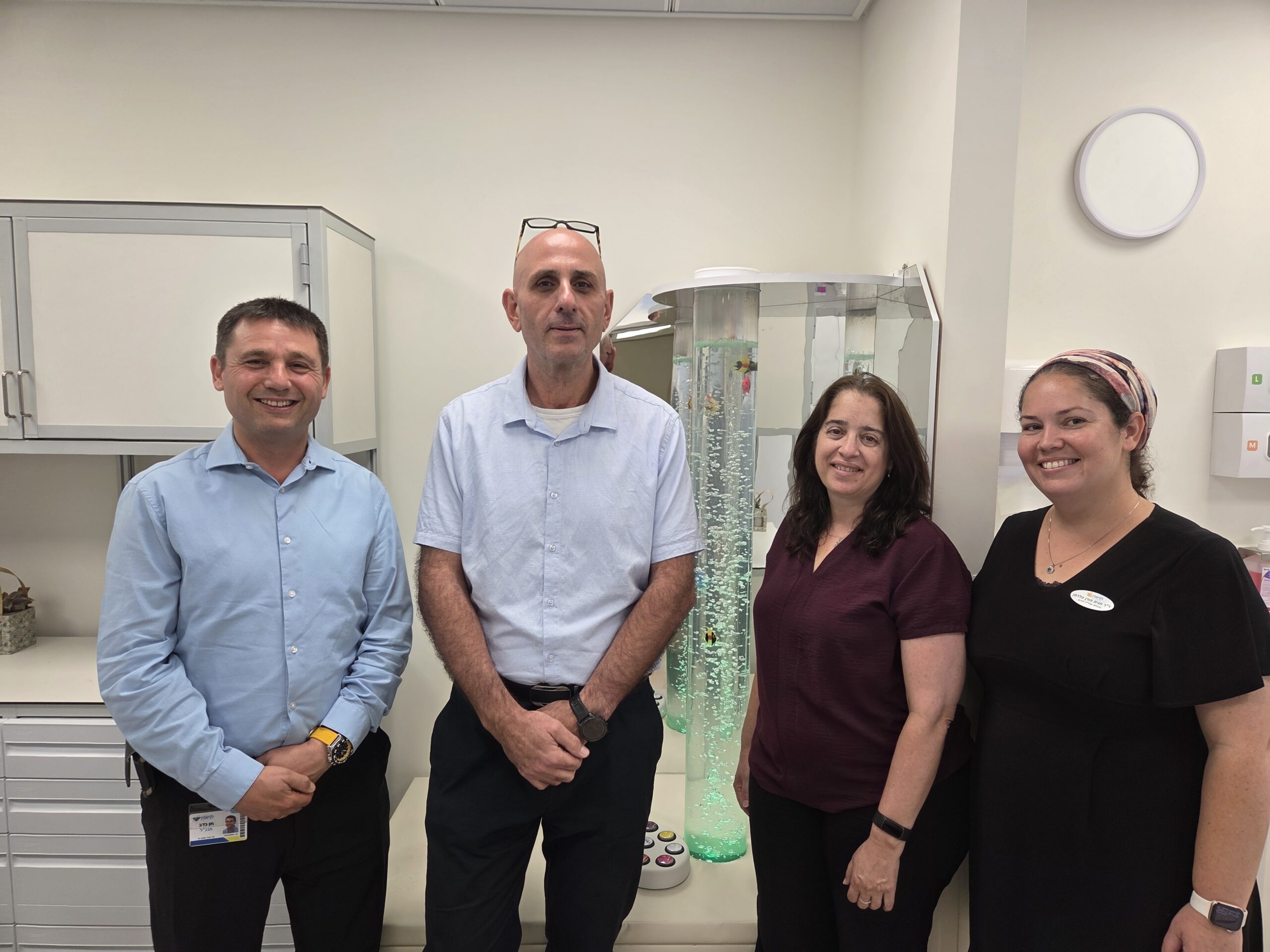
Dr. Hagit Poran Feldman, Director of the Pediatric Emergency Department at Laniado, said: "We realized that one of the most critical needs in our department was the ability to reach every child—including those who struggle with communication or regulation, and those for whom the hospital experience is overwhelming and distressing. Transitioning to an accessible Emergency Department forced us to find flexibility within a rigid system, even during emergencies, and to place the patient and their family at the center—which includes embracing parents as part of the care team. We have created an inclusive and empowering dialogue for both families and staff."
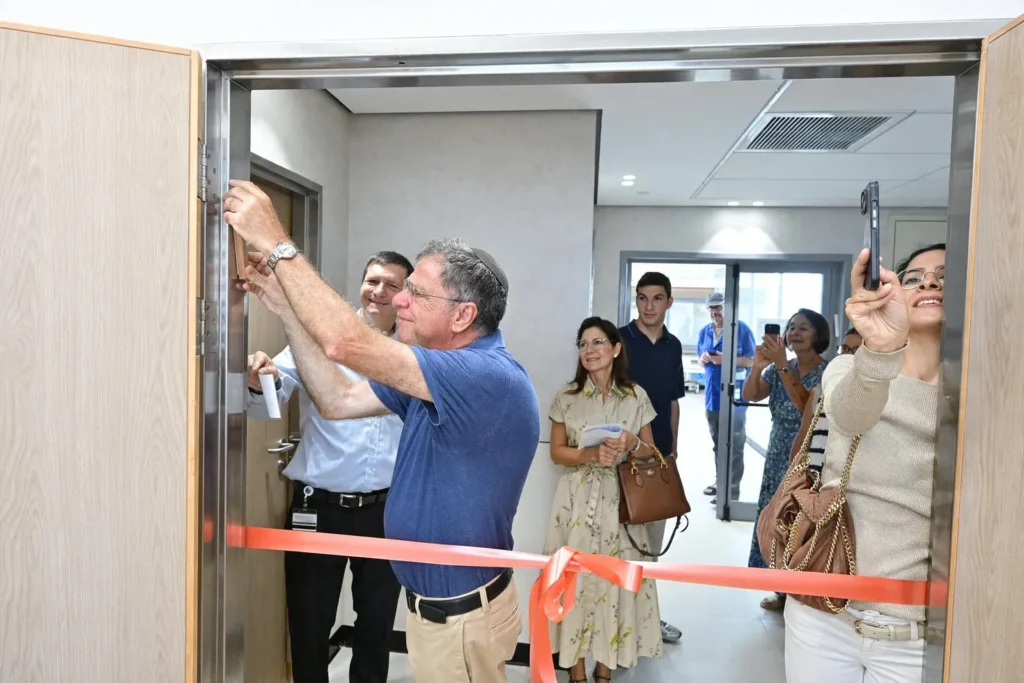
During the ribbon-cutting ceremony for the Snoezelen room, Nadav Chen, CEO of Laniado Hospital, remarked: "This room is incredible news for parents and families of children with autism and special needs. Our investment, alongside the Ministry of Health, ALUT, Teva, and Tel Aviv University, underscores the national importance of this project. Our singular goal is to provide the highest standard of medical and nursing care to these children, with maximum consideration for their unique needs. Yashar Koach (kudos) to everyone involved in making this happen, My deepest thanks and appreciation to everyone involved in making this happen!"